Last Update:
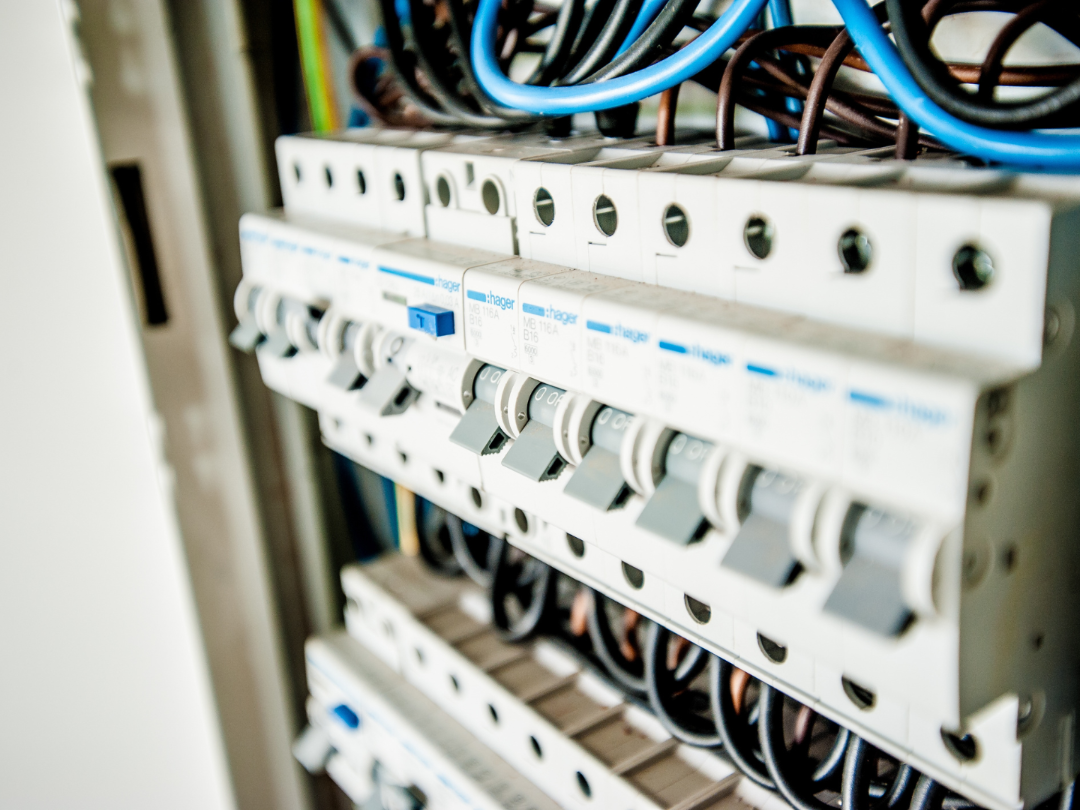
Circuit breakers usually trip because they're protecting your home, not because they're faulty. They disconnect power when they detect an overloaded circuit, short circuit or electrical fault.
Repeatedly resetting a breaker won't fix the underlying issue. If it continues to trip, there's likely a problem somewhere else in the electrical system that needs investigation.
Common causes include overloaded circuits, damaged wiring, faulty appliances, moisture and ageing switchboards. Older Brisbane homes are particularly susceptible due to outdated electrical systems.
Modern circuit breakers are essential safety devices that help prevent electrical fires, equipment damage and electric shock by interrupting unsafe electrical current.
If the same breaker keeps tripping, won't reset, or you notice burning smells or flickering lights, it's time to call a licensed electrician to diagnose the cause and complete the necessary repairs.
Your Circuit Breaker Probably Isn't The Problem
If your circuit breakers keep tripping, it's easy to assume they're faulty. After all, the power keeps cutting out, so surely the breaker is the problem?
In most cases, the opposite is true.
Circuit breakers are one of the most important electrical safety devices in your home. Their job is to disconnect electrical power the moment they detect unsafe circuit conditions. Rather than causing the inconvenience, they're usually preventing a much bigger issue such as overheating, damaged wiring or even electrical fires.
At Fixed Now, we regularly help homeowners across Brisbane who are frustrated by a breaker that won't stay on. More often than not, the real problem isn't the breaker—it's what's happening somewhere else in the electrical system.
The One Job Every Circuit Breaker Has
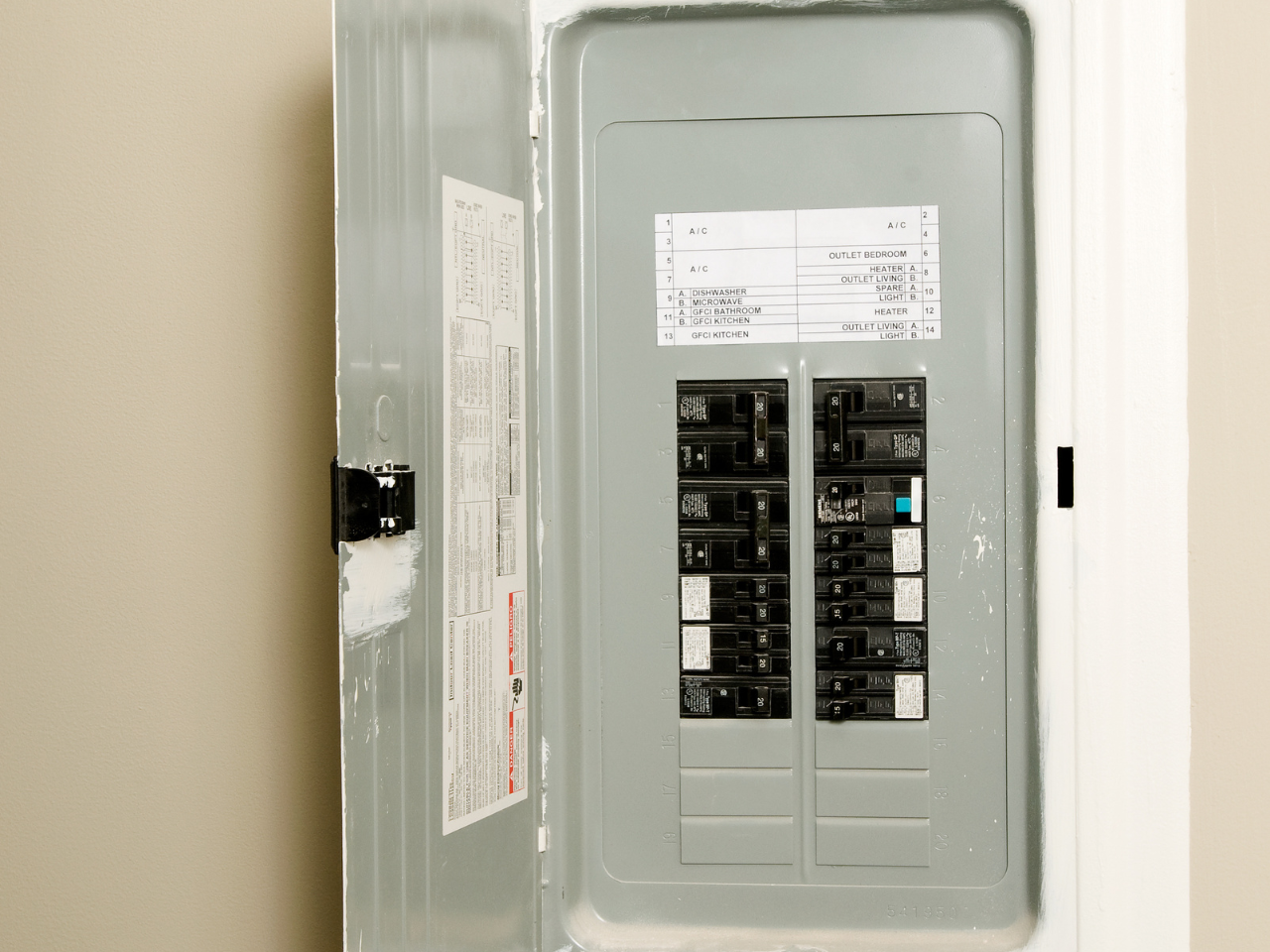
Think of a circuit breaker as your home's bodyguard.
Every circuit in your switchboard is designed to carry a safe amount of electrical current. When the current flowing through that circuit becomes unsafe because of an overload, short circuit or electrical fault, the breaker disconnects the power almost instantly.
That split-second decision protects your home's wiring, electrical installations and connected appliances from damage.
Without modern circuit protection, faults could continue unnoticed, allowing excessive heat to build inside walls and ceilings.
It's inconvenient when the lights go out.
It's much worse if the breaker doesn't trip at all.
The Most Common Reason We See Circuit Breakers Trip
If we had to choose one cause, it wouldn't be faulty breakers.
It would be overloaded circuits.
Modern homes use far more electricity than homes built twenty or thirty years ago. Kettles, air conditioners, coffee machines, clothes dryers, gaming consoles and charging stations all place additional demand on your home's electrical circuits.
Imagine running:
- The kettle
- The toaster
- The microwave
- The dishwasher
...all from the same kitchen circuit.
Individually, each appliance works perfectly.
Together, they can draw more current than the circuit was designed to carry, causing the breaker to trip and disconnect the power before damage occurs.
It's not a fault.
It's the breaker doing exactly what it was designed to do.
Sometimes The Appliance Isn't Actually At Fault
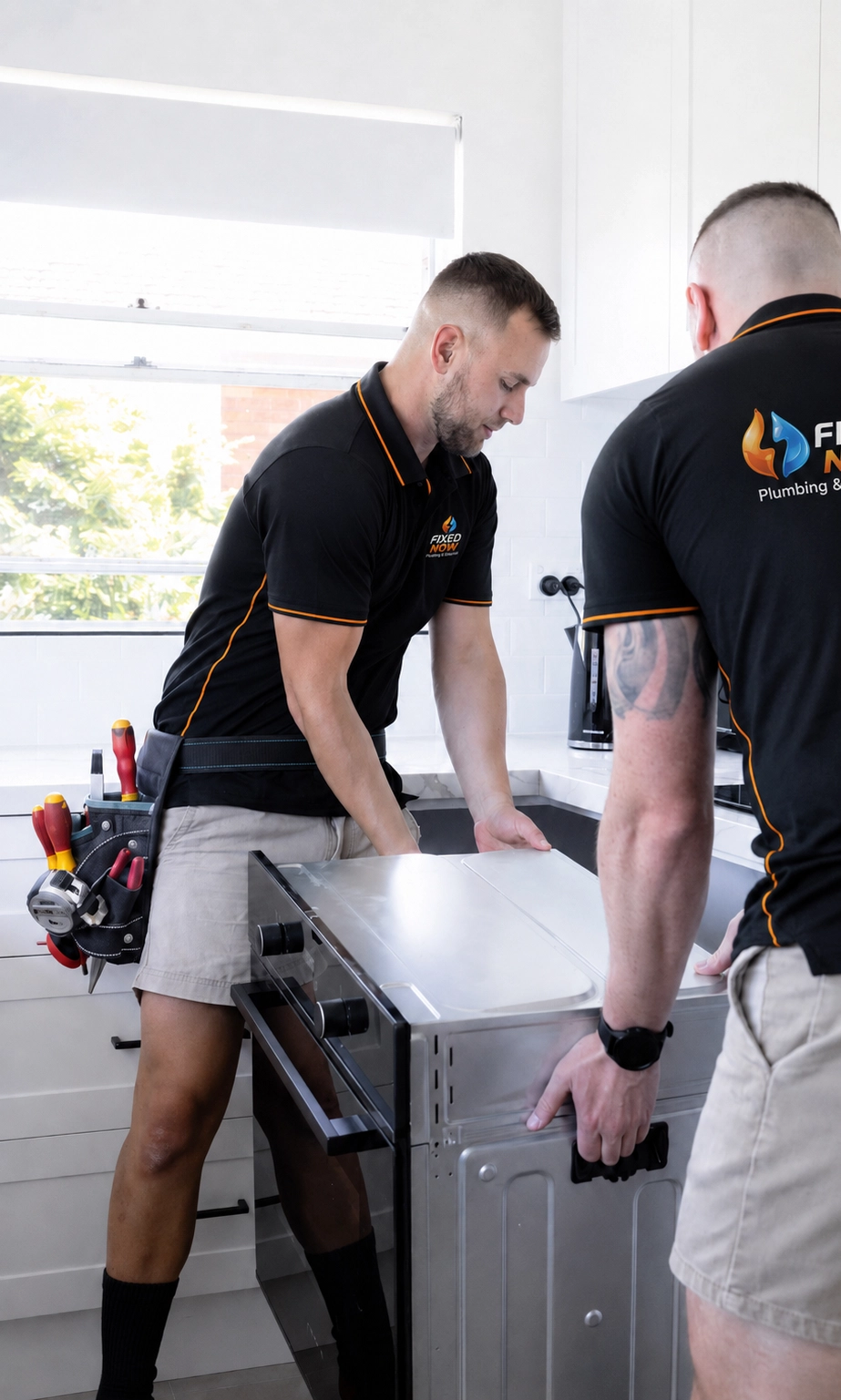
One of the biggest surprises for homeowners is discovering that the appliance they've blamed isn't actually broken.
We've attended homes where people were convinced their ovens, washing machines or other household appliances had failed.
After testing the circuit, we found the appliance was perfectly fine.
Instead, the problem was:
- A damaged power outlet
- Loose wiring
- A deteriorating electrical connection
- Moisture affecting the circuit
- A fault elsewhere in the switchboard
The appliance simply happened to be the first thing that stopped working.
That's why proper diagnosis is so important. Replacing expensive appliances won't solve an underlying electrical fault.
Why Resetting The Breaker Over And Over Can Make Things Worse
We've all done it.
The breaker trips.
You reset it.
Everything works again.
Five minutes later, it trips again.
Resetting a breaker once isn't necessarily a problem.
But repeatedly forcing a breaker back on without understanding why it tripped can make diagnosing the issue more difficult and, in some cases, increase the risk of damage.
If the breaker immediately trips again, it's telling you something important.
Rather than trying to "beat" the breaker, it's better to identify the cause of the fault.
Not All Circuit Breakers Protect You In The Same Way
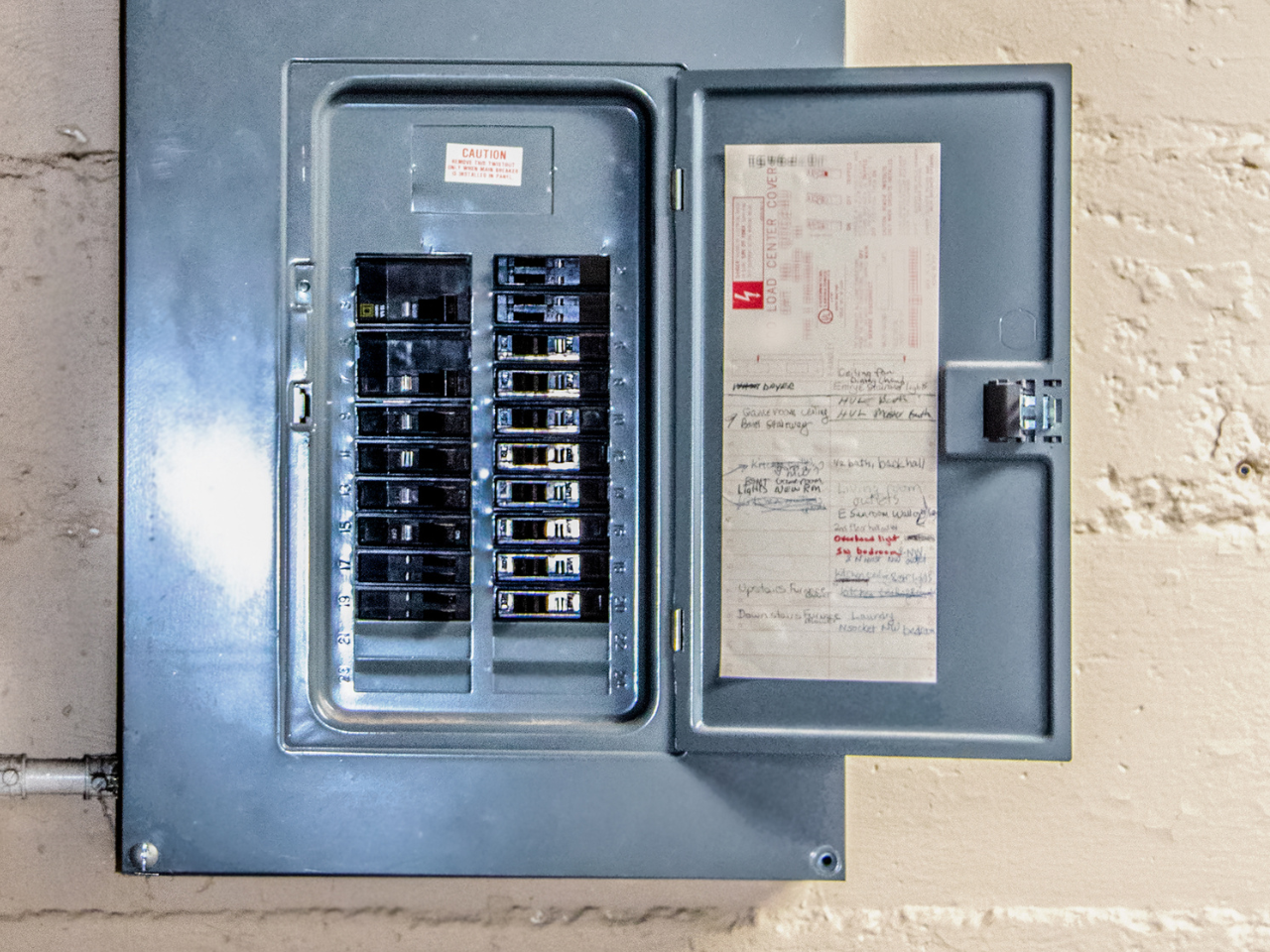
One thing many homeowners don't realise is that there are different types of circuit breakers, each providing different forms of protection.
For example:
- Miniature circuit breakers (MCBs) primarily provide overcurrent protection.
- RCBO devices combine overcurrent protection with protection against earth leakage, helping reduce the risk of electric shock.
- Older homes may still contain outdated fuse boards that don't provide the same level of protection as modern switchboards.
You may also hear electricians refer to single-pole breakers, multi-pole breakers or different breaker curve ratings. These terms describe how individual breakers respond to different fault conditions and are selected based on the type of circuit they're protecting.
While homeowners don't need to understand every technical detail, it's worth knowing that modern circuit breaker technology has significantly improved electrical safety in Australia.
Why Older Brisbane Homes Experience More Electrical Problems

Brisbane has no shortage of beautiful older Queenslanders and post-war homes.
They have character.
They also weren't designed for today's electrical demands.
Many older properties still contain ageing wiring, older switchboards or electrical circuits that were never intended to support dozens of modern appliances running at once.
As homeowners renovate kitchens, install air conditioning or add home offices, the demand placed on those circuits increases.
It's one reason we often see circuit breaker trips become more common in older homes.
Sometimes the solution is surprisingly simple.
Other times, improvements to the switchboard or electrical wiring may be recommended to improve safety and reliability.
Should You Replace The Circuit Breaker?
People often ask us whether replacing the breaker will solve the issue.
Sometimes it will.
But not always.
Circuit breakers do wear over time, and like any mechanical device, they can eventually fail.
However, replacing a perfectly good breaker without investigating the underlying fault often leads to the exact same problem returning.
Our electricians always test the circuit first before recommending replacement parts.
If the breaker is faulty, we'll tell you.
If something else is causing it to trip, we'll explain that too.
A Few Things You Can Check Yourself
While electrical work should always be carried out by licensed electricians, there are a few simple checks homeowners can make.
Ask yourself:
- Did the breaker trip after plugging in a particular appliance?
- Have you recently added several high-power appliances to the same room?
- Is there any sign of water near electrical equipment?
- Do burning smells, buzzing sounds or flickering lights occur before the breaker trips?
These observations can often help identify where the fault may be located.
When It's Time To Call An Electrician

Some breaker trips are harmless.
Others shouldn't be ignored.
We recommend arranging professional advice if:
- The same breaker continues tripping.
- The breaker won't reset.
- You notice burning smells or heat around the switchboard.
- Water has entered electrical equipment.
- Multiple circuits lose power.
- Your home still has an older fuse board.
Persistent electrical faults rarely disappear on their own.
Finding the cause early is usually faster, safer and less expensive than waiting for a larger problem to develop.
The Best Circuit Breaker Is The One You Never Notice
Circuit breakers spend almost their entire life doing nothing.
That's exactly how it should be.
When they do trip, they're sending you a message that something within the circuit deserves attention.
Rather than viewing the breaker as the problem, think of it as one of your home's most important safety features. It's quietly protecting your electrical system, your appliances and your family every single day.
If your circuit breakers keep tripping and you're not sure why, Fixed Now can help. Our experienced electricians provide fault finding, electrical repairs and switchboard services across Brisbane, helping homeowners identify the real cause of electrical problems and deliver long-term solutions that keep your home safe.